You are preparing to tell your children
Explore the chapters on planning the conversation and considering different ages, questions, and practical changes.


The Master Parenting Series · Book 4
By Frank Dixon
Family life is changing. Help your child know they can still turn to you.
You may be preparing to explain a separation, answering questions about two homes, or trying to hear what your child is feeling. Finding the words can be hard when you are working through changes too.
Explore seven chapters on telling children, age-specific conversations, co-parenting, listening, feelings, and reassurance in a divorced or separated family.


Check Kindle, Paperback, and Hardcover options on Amazon. Audiobook on Audible.
From the book
A passage on reassuring children as family life changes.
“Tell them that although things will change, your love for them won’t.”
Frank Dixon · Chapter 7: Moving On · printed page 54
Find your starting point
Explore the chapters on planning the conversation and considering different ages, questions, and practical changes.
Explore the later chapters on listening, feelings, routines, and reassurance as your family continues to adjust.
Effective Communication for Divorced Families
How do you explain what is happening? What do you say when your child asks where they will live, what will change, or whether you still love them? And how do you keep listening when you are managing your own feelings too?
Effective Communication for Divorced Families: 7 Ways to Communicate Effectively in a Divorced or Separated Family explores those conversations from a parent’s perspective. Frank Dixon brings together discussions of telling children, responding to questions, navigating practical changes, listening, and offering reassurance.
The opening chapters introduce the book’s view of family changes and planning the conversation with children. They explore the questions that may follow the news, including what daily life could look like afterward.
A dedicated age-focused chapter considers young children, school-age children, teenagers, and adult children separately. It gives you different starting points for thinking about language, understanding, and reassurance.
The book then turns to co-parenting, blame, routines, and transitions between homes. Its focus is the child’s experience of change, including the pressure they may feel when adults disagree.
The communication chapter explores what happens after the first conversation. It discusses active listening, everyday questions, and activities such as a time capsule and planned opportunities to talk. These offer subjects to consider rather than a script every family must follow.
The later chapters discuss emotions children may experience and the feelings parents may be working through themselves. They include fear, sadness, anger, guilt, and uncertainty, along with ideas for talking about feelings.
The final chapter returns to reassurance: helping children know they remain loved and valued as family life changes. The excerpt highlights that theme in the author’s own words.
This seven-chapter parenting guide offers subjects for reflection and family conversations. Read it alongside support that fits your family’s needs; it does not provide legal or individual professional advice.
Some examples assume parents can coordinate safely. Where there are safety concerns, see the FAQ below and seek guidance specific to your circumstances.
Read the excerpt, explore the chapter guide, or hear the audiobook sample to decide whether the subjects match the conversations you want to approach.
Inside the book
Explore the chapter closest to your family’s next question, from telling children to listening and offering reassurance.
Chapter 1 · Mommy and Daddy Don’t Want to Live Together
The opening chapter introduces family changes and the book’s discussion of their possible effects on children. It sets the context for the conversations explored in later chapters.
Chapter 2 · Telling the Kids
Read about planning the conversation, questions children may ask, and explaining practical changes. Start with the parts that match the discussion you are preparing to have.
Chapter 3 · Age-Appropriate Guide to Talk to the Kids
Read separate discussions of young children, school-age children, teenagers, and adult children. The chapter considers language, questions, and reassurance at different stages.
Chapter 4 · The Co-Parent Isn’t Crazy!
Read the book’s discussion of blame, pressure to choose sides, and routines across two homes. The focus is what children may experience when adults disagree.
Chapter 5 · Keeping the Doors of Communication Open
Read about language, transitions, everyday routines, and active listening. The chapter includes conversation prompts, a time-capsule activity, and ideas for listening sessions.
Chapter 6 · Feelings, Feelings, Feelings
Explore fear, sadness, anger, guilt, rejection, and anxiety, alongside activities such as emotion charades. Find subjects for conversations about feelings that can be difficult to name.
Chapter 7 · Moving On
The final chapter discusses parents’ emotions, resentment, support, and reassuring children of their love and value. It returns to the message that family changes do not change a parent’s love.
Explore the conversations you want to approach with more care.
Before you choose
Parents and caregivers navigating divorce or separation who want to explore conversations with their children. It considers both the initial news and ongoing questions, feelings, and family transitions.
Its main focus is parent–child communication during divorce or separation. It also discusses co-parenting, blame, routines, and practical changes across homes.
Seven chapters, covering the context of separation, telling children, age-specific conversations, co-parenting, ongoing communication, feelings, and moving forward.
Yes. Chapter 3 discusses young children, school-age children, teenagers, and adult children. These are discussion guides, rather than rules about how every child of an age will react.
Yes. Chapter 5 includes conversation-starter questions, a time-capsule activity, and active listening sessions. Chapter 6 also discusses activities for exploring feelings.
Yes. The book discusses routines, belongings, transitions, and communication in that setting. It does not establish the right custody arrangement for a family or replace legal advice.
No. This is general parenting reading. For decisions about legal rights, contact arrangements, or court orders, seek advice from a qualified professional in your jurisdiction.
The book’s cooperation-focused examples may not fit situations involving abuse, intimidation, or safety concerns. Prioritize safety, follow applicable court orders, and seek individualized legal and specialist support. The general advice here should not be read as a requirement for direct contact or joint conversations.
No. This page describes the topics covered, without promising an emotional outcome or recovery timetable. Children and family circumstances differ.
The American Academy of Pediatrics’ parent resource discusses supporting children after separation or divorce. It is additional guidance, not an endorsement of this book or a substitute for your child’s individual care.
Check Kindle, Paperback, and Hardcover options on Amazon, and use the Audible button for the audiobook. Current editions, prices, and availability can vary by location.
Yes. Use the audiobook sample button beneath the cover to hear the narration before visiting the Audible listing.
Yes. Download the references excerpt (PDF, 6 pages) to see the bibliography included in the manuscript.
Start reading
Explore a parenting guide to explaining changes, hearing your child’s feelings, and returning to reassurance.
Check Kindle, Paperback, and Hardcover options on Amazon, or choose the audiobook on Audible.
More parenting guides by Frank Dixon

When honest, open conversations are the next focus
Choose this next to explore trust, privacy, and keeping family communication open as children grow.
Explore this book →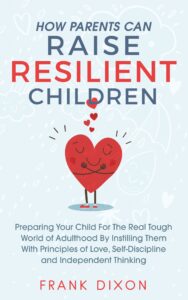
When coping with change is on your mind
Choose this next to explore how children face setbacks and disappointment, with loving guidance and support.
Explore this book →