When you find out after the fact
You want to understand why your child held something back and think through a response that supports accountability and future conversations.


Happy Children Series
By Frank Dixon
Build trust that helps your child speak honestly—even when the truth is difficult.
When your child changes their story or keeps something from you, the next conversation can feel difficult. You want honesty, and you want them to feel able to come to you.
Frank Dixon’s eight-chapter guide explores lying, privacy, secrecy, and open communication—with ideas for modeling honesty, listening, and responding when trust is tested.


Explore Kindle, Paperback, and Hardcover on Amazon. Audiobook on Audible.
From the book
A short passage on listening when your child comes to you.
“Sometimes, kids just want to be heard by someone so that they can voice their concerns and worries.”
Frank Dixon · Chapter 5: What Am I Doing Wrong? · printed page 36
Find your starting point
You want to understand why your child held something back and think through a response that supports accountability and future conversations.
You want clearer language for discussing boundaries, trust, and the difference between personal space and information that needs to be shared.
How Parents Can Teach Children to Live With Transparency
A story changes. An important detail comes out later. Your child says “nothing happened,” but you sense there is more to discuss. It can be hard to decide what to ask, how to respond, and how to keep the next conversation from becoming another argument.
How Parents Can Teach Children to Live With Transparency explores honesty, lying, secrecy, and family communication through eight chapters. Its focus is helping parents think about the habits and relationships that shape what children choose to share.
The book begins with honesty and different kinds of lies before considering why children may become secretive. It invites parents to look beyond a single incident and reflect on trust, expectations, and the reactions children may anticipate.
A dedicated chapter distinguishes privacy from secrecy. That distinction gives families a starting point for talking about personal space, boundaries, and information that may need to be shared with a trusted adult.
The middle chapters turn attention toward parents: modeling honesty, showing interest, listening actively, and including children in conversations about their needs. The manuscript also discusses safe and unsafe secrets and the value of talking about daily routines.
These themes encourage you to consider both what you want your child to learn and what they experience when they come to you. The excerpt above offers a brief example of the book’s emphasis on being heard.
The final chapters explore being a role model and responding to lies. You can use the guide to reflect on a recent situation, choose a topic to discuss, or consider how to make your expectations clearer.
Read the chapter guide below, sample the manuscript excerpt, or listen to the narration before choosing an edition. Start with the part that fits your family’s current question and return to the other topics as your child grows.
Inside the book
Choose the topic that matches the question on your mind.
Chapter 1 · Being Honest – Is It Important?
Explore the book’s introduction to honesty and its place in family life. Consider why trust matters and how you want to explain that value to your child.
Chapter 2 · Lies, Lies, and More Lies…
The book discusses different kinds of lies and the reasons behind them. Use this overview to think about what a child may be trying to avoid, protect, or achieve when they are not truthful.
Chapter 3 · Preventing the Habit of Lying
Explore the manuscript’s discussion of why children lie and how dishonesty can affect trust. Consider the conversations and habits you want to encourage before a pattern becomes harder to address.
Chapter 4 · Ssshh, Don’t Tell My Parents!
Read the chapter on privacy, secrecy, and what children may hesitate to share. Explore the book’s distinction between safe and unsafe secrets as a starting point for family conversations.
Chapter 5 · What Am I Doing Wrong?
Consider parental habits, the way adults model honesty, and the importance of listening. The chapter includes ideas about discussing daily life, building trust, and responding when a child comes to you.
Chapter 6 · Encouraging Openness
Explore parent–child communication, showing interest, including children in decisions, and asking about their needs. Consider ways to make conversation part of family life beyond moments of conflict.
Chapter 7 · Act like a Role Model - Period!
Reflect on the example children see in everyday adult behavior. The book asks parents to consider how their own choices and responses can support the values they want to teach.
Chapter 8 · Raising an Honest Child
Bring the themes together with the manuscript’s strategies for responding to dishonesty and improving transparency. Consider trust, accountability, and opportunities to put an honest conversation into practice.
Find a starting point for your next conversation about honesty.
Before you choose
Parents and caregivers who want to explore honesty, trust, lying, secrecy, and more open family communication. It includes situations involving older children and teenagers as well as general parenting themes.
The manuscript includes a chapter section specifically distinguishing secrecy from privacy. The page’s focus is trust, appropriate boundaries, and communication—not a promise that children should disclose every private thought.
Yes. Early chapters discuss different kinds of lies and why children may tell them. Later chapters consider parental reactions, modeling honesty, and responding to dishonesty.
Topics include active listening, discussing daily routines, safe and unsafe secrets, involving children in decisions, asking about their needs, and reflecting on the example parents set.
No. The book is written for parents, with explanations and examples. You can read it in order or begin with the chapter that best matches a conversation your family needs to have.
Use the Amazon button to check Kindle, Paperback, and Hardcover options, prices, and availability in your location. Use Audible for the audiobook. Retailer availability can vary.
Yes. Use the audiobook sample button beneath the cover to hear the narration before visiting the Audible listing.
This book focuses on honesty, trust, privacy, secrecy, and parent–child communication. The companion titles below focus on broader social skills and resilience through setbacks.
Yes. Download the references excerpt (PDF, 3 pages) to see the bibliography included in the manuscript.
Start reading
Explore trust, privacy, openness, and the example you set—one family conversation at a time.
Check Kindle, Paperback, and Hardcover options on Amazon, or choose the audiobook on Audible.
Continue the Happy Children series
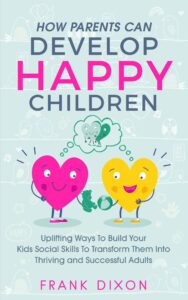
When communication skills are the next focus
Choose this next for a broader look at listening, empathy, manners, friendship, and cooperation in everyday family life.
Explore this book →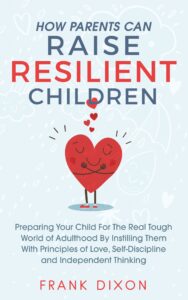
When a setback is hard to face
Choose this next to explore coping with mistakes and disappointment, developing responsibility, and encouraging independence with support.
Explore this book →