Happy Children Series
How Parents Can Teach Children To Counter Negative Thoughts
By Frank Dixon
When your child says “I can’t,” find a more helpful way to respond.
“I’m not good at anything.” “What if I get it wrong?” “There’s no point in trying.” Hearing your child speak this way can leave you searching for the right words.
Frank Dixon’s eight-chapter guide explores negative thinking, self-doubt, confidence, and everyday worries—alongside practical ideas for empathy, emotional awareness, and resilience.




Explore Kindle, Paperback, and Hardcover on Amazon. Audiobook on Audible.
Key takeaways
- Understand where negative thoughts and discouraging self-talk can begin
- Recognize how self-doubt can hold a child back from trying
- Notice everyday patterns in your own words and responses
- Explore realistic goals and encouragement that support confidence
- Listen with empathy when your child feels worried or overwhelmed
- Understand the role of self-discipline, willpower, and resilience
- Help your child name feelings and consider another perspective
From the book
Start with understanding
A passage from the empathy step of the book’s FEEL approach.
“Tell them that you understand what they are going through without offering any advice or suggestion. Just let them know that you get it.”
Frank Dixon · Chapter 5: Taming the Monster Under the Bed · printed page 40
Reader perspectives
What readers say
“Great, insightful, quick easy read.”
“Frank has laid out some simple techniques that can be easily put into action without much effort.”
How Parents Can Teach Children To Counter Negative Thoughts
About this book
Find a starting point beyond “Don’t worry”
When your child expects the worst or dismisses their own abilities, reassurance can be hard to put into words. You may want to encourage them without brushing aside what they feel, pushing too hard, or turning every conversation into a lecture.
How Parents Can Teach Children to Counter Negative Thoughts explores that challenge through eight chapters on thought patterns, self-doubt, confidence, worries, willpower, resilience, and emotional intelligence.
Understand the pattern before choosing a response
The book begins with a look at a child’s mind and the influence of negative thinking. It then considers the examples adults set, barriers to confidence, and the assumptions that can stop children from trying something new.
Rather than focusing only on what your child says, the chapters invite you to consider how they see themselves, how they approach a challenge, and what they learn from the language and reactions around them.
Bring practical ideas into everyday conversations
The manuscript’s suggestions include setting realistic goals, creating a relaxation kit, using a worry box, and helping children put names to their feelings. Its FEEL approach gives parents a sequence to explore: Freeze, Empathize, Evaluate, and Let Go.
These ideas sit alongside discussions of self-discipline, supportive relationships, and resilience. They offer starting points for responding to a difficult moment and revisiting the conversation when your child is ready.
Build confidence without making every feeling a problem
The book’s final chapter looks at emotional intelligence and perspective-taking. It considers how children can recognize feelings, talk about them, and understand the connection between emotions and actions.
Use the chapter guide below to find a relevant topic, read the excerpt to sample the approach, or hear the narration before choosing an edition. Start with one idea that fits your family and return to the book as new situations arise.
Inside the book
Eight chapters. A clearer place to start.
Choose the topic that matches what your child—and your family—are facing.
Chapter 1 · Into the Child’s Mind
Understand the thinking behind the words
Explore how a child’s thought patterns can shape their outlook. Begin with the book’s discussion of where negativity comes from, rather than treating every discouraging comment as misbehavior.
Chapter 2 · What Negativity Does to Your Child?
Notice patterns—and the example you set
Consider the relationship between negative thinking, everyday stress, and family habits. Reflect on the language and responses your child sees modeled at home.
Chapter 3 · Am I Good Enough?
Recognize self-doubt before it closes doors
Look at self-esteem, comparison, and the fear of trying. Explore why a child may hold back from opportunities and how you can support a more constructive view of their abilities.
Chapter 4 · I Am Confident and Self-Reliant
Make the next step feel possible
Explore confidence, realistic goals, and encouraging language. Consider ways to help children approach a challenge without deciding they have already failed.
Chapter 5 · Taming the Monster Under the Bed
Listen first when worries feel big
Read about the book’s FEEL approach: Freeze, Empathize, Evaluate, and Let Go. The chapter also discusses a relaxation kit, talking things through, and a worry box.
Chapter 6 · Call Upon the Stage—Willpower
Explore self-control through daily choices
Consider willpower, self-discipline, and the difference between discipline and punishment. Look for everyday opportunities to practice responding thoughtfully rather than reacting immediately.
Chapter 7 · Resilience to the Rescue
Help your child return after a setback
Explore resilience as a companion to confidence. Consider how support, coping skills, and practice can help children approach difficulties and keep learning from experience.
Chapter 8 · Is My Child Emotionally Ready?
Give difficult feelings a name
Explore emotional intelligence, emotional vocabulary, and perspective-taking. Help your child talk about feelings and consider how those feelings influence their choices.
Find a more supportive starting point for the next “I can’t.”
Before you choose
Questions about the book
Who is this book for?
Parents and caregivers who want to better understand negative self-talk, self-doubt, and everyday worries in children, and find practical starting points for more supportive conversations.
Do I need to understand child psychology?
No. The book is written for parents and explains its ideas through examples and practical suggestions. You can read it in order or start with the topic closest to your family’s experience.
Does it mean asking my child to be positive all the time?
The book also discusses difficult feelings and emotional intelligence. This page’s excerpt highlights listening with empathy before offering advice. The aim is to understand what your child is experiencing and explore ways to respond.
What practical ideas are inside?
Alongside its discussions of confidence and resilience, the manuscript includes the FEEL approach, a relaxation kit, a worry box, realistic goals, and ways to label feelings and consider another person’s perspective.
Which formats can I choose?
Use the Amazon button to check Kindle, Paperback, and Hardcover options, prices, and availability in your location. Use Audible for the audiobook. Retailer availability can vary.
Can I hear the narration first?
Yes. Use the audiobook sample button beneath the cover to hear the narration before visiting the Audible listing.
How is this different from Raise Resilient Children?
This book focuses on negative thinking, self-doubt, confidence, and worries, with chapters on willpower, resilience, and emotional intelligence. Raise Resilient Children is a broader companion focused on handling setbacks, responsibility, and independence.
Is this a treatment program for anxiety?
This is a general parenting guide, rather than an individualized treatment program. Its suggestions can support everyday conversations; persistent or disruptive anxiety calls for advice suited to your child from a qualified professional.
Can I see the book’s references?
Yes. Download the references excerpt (PDF, 2 pages) to see the bibliography included in the manuscript.
Start reading
Help your child meet self-doubt with a next step
Explore confidence, emotional awareness, and practical ways to support your child when negative thoughts get in the way.
Check Kindle, Paperback, and Hardcover options on Amazon, or choose the audiobook on Audible.
Continue the Happy Children series
Choose your next parenting focus
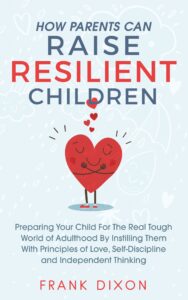
When setbacks are the next focus
How Parents Can Raise Resilient Children
Choose this next for a broader look at coping with setbacks, developing responsibility, and encouraging independence through loving guidance.
Explore this book →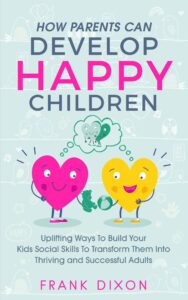
When connection is the next focus
How Parents Can Develop Happy Children
Choose this next to explore social skills, relationships, and ways to support your child’s happiness beyond the conversation about negative thoughts.
Explore this book →