Happy Children Series
How Parents Can Raise Resilient Children
By Frank Dixon
Help your child face setbacks, learn from mistakes, and keep trying—with your support.
A lost game. A difficult friendship. An “I can’t do it” before they have even tried. You can’t remove every disappointment from your child’s life, but you can help them build skills for what comes next.
Frank Dixon’s five-chapter guide explores resilience, responsibility, emotional intelligence, and independent thinking through loving guidance and everyday opportunities to practice.


Explore Kindle, Paperback, and Hardcover on Amazon. Audiobook on Audible.
Key takeaways
- Help your child approach setbacks with a more hopeful outlook
- Build confidence through effort, practice, and specific praise
- Encourage creative thinking instead of solving every problem for them
- Turn mistakes into opportunities for learning and responsibility
- Guide big emotions with empathy and coping skills
- Set loving limits while making room for independence
- Help your child recognize when to ask for support
From the book
Resilience grows with practice
A reminder to approach growth with patience, not pressure.
“As it is a skill, building or encouraging its use is achievable. It may take some time, effort, and patience, but it will happen.”
Frank Dixon · Chapter 1: Why Raise Resilient Children? · printed page 6
Reader perspectives
What readers say
“The 7 Cs of building resilience in kids becomes a good starting point for the book.”
“Also super easy to read.”
How Parents Can Raise Resilient Children
About this book
When you want to help without taking over
It can be hard to watch your child struggle. You may wonder whether to step in, let them try again, or help them find another way. This book explores how love, boundaries, and room to practice can work together as children develop resilience.
How Parents Can Raise Resilient Children focuses on preparing children for a demanding world through love, self-discipline, and independent thinking. It invites parents to look at both the skills children are learning and the habits adults model at home.
Understand what you are helping them build
The opening chapter introduces resilience and the seven C’s framework. From there, the book considers common parenting pitfalls, responsibility, and emotional intelligence before bringing those ideas together in a practical toolkit.
You will explore why doing everything for a child can limit opportunities to learn, how specific praise can recognize effort, and how mistakes can become useful conversations about choices and accountability.
Keep connection at the center
Resilience is not a demand to hide feelings or handle every problem alone. The book discusses empathy, supportive relationships, optimism, and the ability to ask for help alongside independence and self-discipline.
Its examples give you starting points for thinking about disappointment, uncertainty, and everyday frustrations. The emphasis is on supporting growth over time rather than expecting an immediate transformation.
Start with one relevant idea
Read the chapters in order for an overview, or begin with the topic that fits your family today. You might focus on responding to a mistake, offering more specific praise, or giving your child space to think through a manageable problem.
Explore the chapter guide below, read the short excerpt, or listen to the sample to decide whether this approach fits the parenting support you are looking for.
Inside the book
Five chapters. Skills you can return to.
Choose the topic that matches what your child—and your family—are working through.
Chapter 1 · Why Raise Resilient Children?
Understand resilience and the seven C’s
Explore what resilience means, why it matters, and the seven C’s framework. Begin with a clearer picture of the strengths you want to help your child develop.
Chapter 2 · Common Pitfalls & How to Avoid Them
Support growth with loving limits
Look at creativity, discipline styles, modeling behavior, and specific praise. Reflect on when to guide, when to set a boundary, and when to let your child try.
Chapter 3 · Teaching Your Kids Responsibility
Make mistakes a starting point for learning
Discover ways to discuss choices, encourage accountability, and help your child think through what comes next. Support their learning without taking over every challenge.
Chapter 4 · Emotional Intelligence for Kids
Make room for feelings and coping skills
Explore emotional intelligence, social development, and coping skills. Find language for helping children understand their feelings and respond more thoughtfully.
Chapter 5 · The Ultimate Resilience Toolkit
Bring resilience into everyday family life
Explore strengths, creative problem-solving, self-discipline, manageable challenges, optimism, friendships, and asking for help. Choose a relevant idea to practice with your child.
Find a starting point for helping your child face the next challenge.
Before you choose
Questions about the book
Who is this book for?
Parents and caregivers who want to help children handle disappointment, develop responsibility, and become more independent while feeling loved and supported. The book discusses childhood development broadly rather than offering a program for one specific age.
Do I need a background in child psychology?
No. The book is written for parents, with explanations and everyday examples. You can start with the chapter that best matches the challenge your family is facing.
What does the book cover?
Five chapters explore resilience and the seven C’s, common parenting pitfalls, responsibility, emotional intelligence, and a resilience toolkit. Topics include mistakes, self-discipline, creative problem-solving, optimism, and asking for help.
Does resilience mean expecting children to cope alone?
The book includes both independence and support. It discusses letting children face challenges while also encouraging loving relationships, empathy, friendships, and knowing when to ask for help.
Which formats can I choose?
Use the Amazon button to check Kindle, Paperback, and Hardcover options, prices, and availability in your location. Use the Audible button for the audiobook.
Can I hear a sample first?
Yes. Use the audiobook sample button beneath the cover to hear the narration on YouTube before visiting the Audible listing.
Is this part of a series?
Yes. The website groups this title in Frank Dixon’s Happy Children series. Related books on negative thoughts and happiness are recommended below, with a reason to choose each.
Can I see the book’s references?
Yes. The manuscript includes a bibliography. Download the references excerpt (PDF, 4 pages) to see the sources listed in the book.
Start reading
Help your child build skills for life’s setbacks
Explore loving guidance, responsibility, emotional intelligence, and independent thinking—one everyday opportunity at a time.
Check Kindle, Paperback, and Hardcover options on Amazon, or choose the audiobook on Audible.
Continue the Happy Children series
Choose your next parenting focus
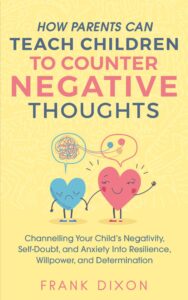
When self-doubt gets in the way
How Parents Can Teach Children To Counter Negative Thoughts
Choose this next if you want to focus on your child’s negative self-talk, self-doubt, and a more constructive outlook.
Explore this book →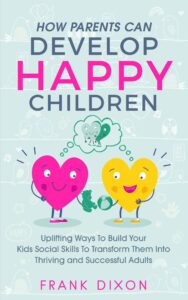
When connection is your next focus
How Parents Can Develop Happy Children
Choose this next if you want to explore social skills, relationships, and ways to support your child’s happiness.
Explore this book →