Happy Children Series
How Parents Can Develop Happy Children
By Frank Dixon
Help your child connect, cooperate, and feel more at ease with others.
Joining a game. Waiting for a turn. Listening when someone else speaks. The small moments of childhood ask for social skills that take time and practice to learn.
Frank Dixon’s seven-chapter guide explores communication, empathy, manners, friendship, and cooperation—with activities and everyday examples to help you find a place to start.




Explore Kindle, Paperback, and Hardcover on Amazon. Audiobook on Audible.
Key takeaways
- Understand the social skills your child is still developing
- Explore the connection between relationships and happiness
- Practice clearer communication and attentive listening
- Use everyday activities to talk about empathy and kindness
- Teach manners and following directions through practice
- Create opportunities for friendship and collaborative play
- Build responsibility and cooperation into family routines
From the book
Show them what listening looks like
A reminder that children learn from the way we respond to them.
“Let them finish first and then respond. This tells them about the importance of active listening and sets a good example for them to follow”
Frank Dixon · Chapter 3: Listening and Communication · printed page 30
Reader perspectives
What readers say
“I love that the book is concise and yet, packed with information.”
“Very positive book.”
How Parents Can Develop Happy Children
About this book
See the skill behind the situation
When your child interrupts, struggles to join in, or finds it hard to cooperate, it can be difficult to know what to work on first. A reminder to “be nice” may not explain how to listen, take turns, or consider someone else’s feelings.
How Parents Can Develop Happy Children takes a closer look at these everyday social skills. Its seven chapters explore how children communicate, build relationships, and learn to participate with others.
Connect happiness with everyday relationships
The book begins by introducing social skills and examining their connection with happiness, empathy, and relationships. It then turns to specific areas parents can explore at home: listening, conversation, manners, friendship, and cooperation.
The focus is on opportunities to learn through example and practice. You can reflect on what your child is finding difficult, choose a relevant activity, and return to it as they grow.
Find activities you can try together
The communication chapter includes conversation activities and listening games. Later chapters explore empathy activities, following directions, and collaborative play—giving parents different ways to make social learning part of ordinary family life.
The final chapter considers responsibility and cooperation, including involving children in everyday chores. These shared routines offer another setting for practicing how to listen, contribute, and help out.
Start with one moment that matters to your family
You might begin with listening without interrupting, finding words for a feeling, or making time for an activity with another child. The book gives you topics and examples to consider without requiring you to change everything at once.
Read the chapter guide below to find your starting point, sample the manuscript excerpt, or hear the narration before choosing an edition. The aim is to support your child’s social development with patience, connection, and practice.
Inside the book
Seven chapters. Everyday ways to connect.
Choose the social skill your family wants to practice next.
Chapter 1 · Social Skills – What Are They?
Understand the skills behind everyday connection
Start with the book’s introduction to social skills and the ways children use them. Look beyond a difficult moment to the communication, listening, and relationship skills your child is still learning.
Chapter 2 · Social Skills and Happiness – Is There A Connection?
Explore how relationships shape daily life
Consider the book’s discussion of social interactions, empathy, compassion, and relationships. Reflect on the role of connection in your child’s experience of happiness.
Chapter 3 · Listening and Communication
Practice talking—and making room to listen
Explore conversation activities, attentive listening, and games such as Simon Says. Find ways to model clear communication and give your child opportunities to practice.
Chapter 4 · Empathy
Help your child consider another person’s feelings
Explore what empathy means and how stories, games, and everyday situations can make it easier to talk about caring for others. Look for chances to name feelings and consider another perspective.
Chapter 5 · Manners and Following Directions
Make expectations easier to understand
Read about manners, behavior, and following directions. Explore practical activities for teaching expectations through example and practice rather than assuming children already know what to do.
Chapter 6 · Making Friends and Collaborative Play
Create opportunities to play together
Explore the book’s discussion of friendship and collaborative play. Find activities that give children a chance to interact, share an activity, and learn alongside others.
Chapter 7 · Responsibility and Cooperation
Bring cooperation into everyday family routines
Consider how helping out and age-appropriate everyday chores can become opportunities to practice responsibility. Explore ways to invite your child into shared family tasks.
Find a practical starting point for your child’s next social step.
Before you choose
Questions about the book
Who is this book for?
Parents and caregivers who want practical starting points for helping children communicate, listen, show empathy, make friends, and cooperate. Its focus is learning social skills through everyday interactions and activities.
Is this about making children happy all the time?
The book explores social skills and relationships as part of a child’s experience of happiness. It is not a promise of constant happiness or an instruction to hide difficult feelings.
What kinds of activities are included?
The manuscript includes conversation and listening activities, games such as Simon Says, empathy activities, collaborative play, and suggestions for involving children in everyday chores.
Do I need a background in child development?
No. The guide is written for parents, with explanations, examples, and activities. You can begin with the chapter that fits what your family is practicing today.
What if my child is shy or still learning to make friends?
The friendship and communication chapters offer ideas to explore at your child’s pace. The focus is giving children opportunities to practice social skills, rather than expecting every child to become outgoing.
Which formats can I choose?
Use the Amazon button to check Kindle, Paperback, and Hardcover options, prices, and availability in your location. Use Audible for the audiobook. Retailer availability can vary.
Can I hear the narration first?
Yes. Use the audiobook sample button beneath the cover to hear the narration before visiting the Audible listing.
How is this different from the other Happy Children books?
This title focuses on social skills: listening, communication, empathy, manners, friendship, and cooperation. The companion books recommended below focus on resilience and negative self-talk.
Can I see the book’s references?
Yes. Download the references excerpt (PDF, 3 pages) to see the bibliography included in the manuscript.
Start reading
Make room for connection, one everyday skill at a time
Explore listening, empathy, friendship, and cooperation through explanations and activities you can return to as your child grows.
Check Kindle, Paperback, and Hardcover options on Amazon, or choose the audiobook on Audible.
Continue the Happy Children series
Choose your next parenting focus

When disappointments feel difficult
How Parents Can Raise Resilient Children
Choose this next to focus on coping with setbacks, developing responsibility, and encouraging independence alongside loving guidance.
Explore this book →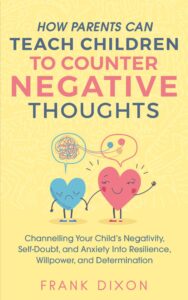
When “I can’t” gets in the way
How Parents Can Teach Children To Counter Negative Thoughts
Choose this next if self-doubt or discouraging self-talk is making it harder for your child to try, join in, or approach a new challenge.
Explore this book →